



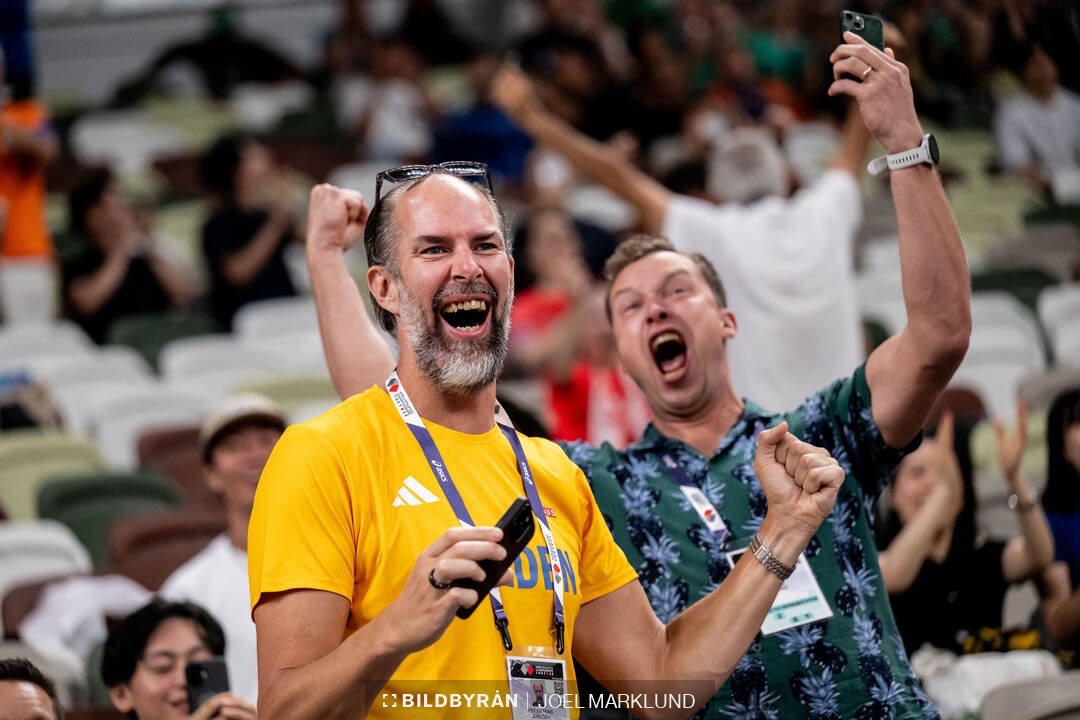
When Daniel Ståhl won his third world discus title in Tokyo, his long-time coach Staffan Jönsson received around 400 messages in the space of 24 hours.
After another major championship, when Ståhl finished outside of the medals and coach and athlete felt they had made mistakes, Staffan received 10.
For Jönsson, the contrast says something useful about coaching.
The throws coach has spent years learning from other coaches, and now finds himself doing the same for the next generation.
In a revealing interview, the Swede explains why openness, mentoring and honest exchange matter just as much to coaching development as technical expertise.
“Surround yourself with really good people that have a good heart and great knowledge,” he says. “They’ll be there when you need them to be, not just when you win the gold.”
It’s advice rooted in his own career. Staffan has spent decades being helped by other coaches and mentors, and today, as one of Europe’s leading throws coaches, he is increasingly being asked to pass that experience on.
That makes him a natural fit for a European coaching scene that’s placing more and more emphasis on knowledge-sharing, mentoring and connections between coaches. This autumn, he and Ståhl will headline the European Discus Conference in Tallinn, while Jönsson is also involved in the European Athletics Coach Networking Project.
In both cases, the principle is that good coaching knowledge becomes more useful when it is shared.
Learning from winning… and losing
Staffan's relationship with Ståhl began from an unusual position.
Ståhl was already an Olympic champion when he started working with him.
“He gave that trust to me from the first day,” Staffan says. “Then you have to prove it, of course, and work with that.”
Trust comes up repeatedly when he talks about their partnership, but not because everything has gone smoothly.
“We obviously don’t want failures and we don’t want to lose,” he says. “But we’re not afraid to stand there and try to get better from losing.”
The pair have also shared two of the more memorable finishes in recent championship history, with Ståhl twice securing world titles on his final throw.
Asked what a coach does in those moments, Staffan is quick to reduce his own role.
“When he’s winning on the last throw, that’s all Daniel,” he says. “I would love to say that I had this magical key, but my job is to help put him in a position where he can be successful.”
At that level, he believes the athlete has to own the performance.
The coach can prepare them physically, technically and mentally. They can help regulate emotion and make decisions around the competition. But there comes a point when the athlete has to feel what is happening and respond.
That’s also where the accumulation of years matters.
“If we work for a long period of time, it’s okay to make mistakes as long as we don’t do them again,” Staffan says. “After five, 10, 15 years, you’ve taken away a whole lot of mistakes and you end up with something you feel pretty comfortable with.”
He describes a common saying in coaching, that it takes 10 years to become world class.
The important part, in his view, isn’t simply putting in the time, but paying attention to what happens during it.
Coaching less
Experience has also changed the way Staffan coaches.
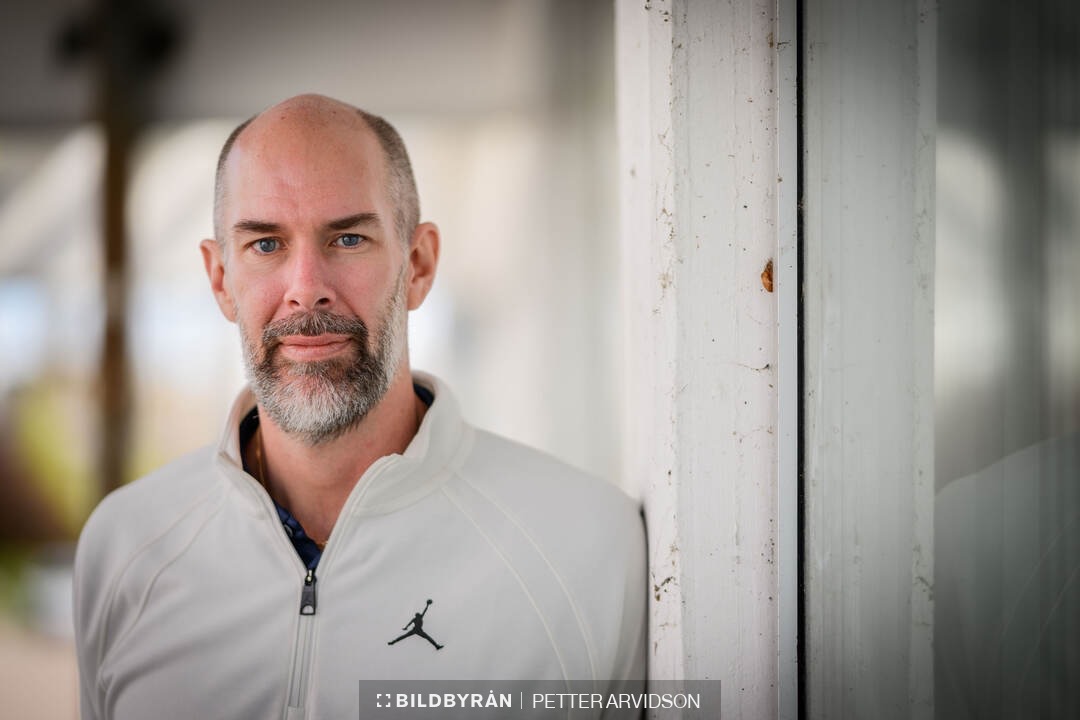
Earlier in an athlete’s development, he sees technical work as a major part of the job. Once an athlete reaches world-final level, the balance changes.
“When they reach the stage when they are ready to become world championship finalists, I don’t coach that much,” he says.
He doesn’t mean he becomes less involved. Rather, he becomes less inclined to interfere technically.
With an athlete such as Ståhl, there may be only three or four technical points that Staffan keeps returning to. Go much further and he risks taking away something the athlete already understands instinctively.
“If I coach too much, I screw up their feeling,” he says. Instead, more of his attention goes towards the person. “How did they feel as people? How comfortable are they? How can I make them comfortable in uncomfortable situations?”
That has required him to let go of some of the coach’s natural desire to provide answers. “You have to drop your ego,” he says.
For an established athlete, creating the right environment can be more valuable than another technical instruction. Staffan points to Ståhl dancing in the rain at a major championship as the kind of sign he looks for.
“If you see Daniel dancing in the rain in Tokyo, he feels comfortable,” he says. “Then I feel I’ve done a good job preparing him.”
Twenty-five years of asking questions
Staffan is equally clear that he did not work all of this out on his own.
He has had mentors for much of his coaching career, including one relationship that has lasted around 25 years, alongside his former coach and other experienced figures in the throws community.
“I have a couple of people that helped me develop,” he says. “It’s really cool that you have people just sharing freely what they became masters of.”
Throws coaching, in his experience, has generally been a relatively open community.
Coaches compete against one another every weekend, but Staffan sees little contradiction in trying to beat another coach’s athlete while still discussing training with them.
“Of course I want to beat your guy,” he says. “But you can go out and compete and still be professional colleagues to each other.”
He has benefited directly from that openness. Ideas shared by other coaches have influenced the athletes in his own group, just as his experience can now be useful elsewhere.
Swedish throwing provides an example of what can happen when that exchange becomes more systematic.
Staffan recalls a time when Sweden had perhaps one or two throwers operating at world level. More recently, the country has developed far greater depth across the throwing events, with athletes working under several different individual coaches rather than one centralised programme.
What connects them is a generation of coaches who communicate.
“We have an understanding and a generation of coaches in my age and my generation that collaborates,” he says.
That doesn’t mean everyone uses the same programme.
The value lies in having enough common ground to discuss development, compare approaches and keep learning from one another over many years.
“For a small country like Sweden, I think that’s key,” Staffan says. “We don’t have that many people.”
Beyond the discus circle
That same idea sits behind many of the opportunities being developed for coaches across Europe.
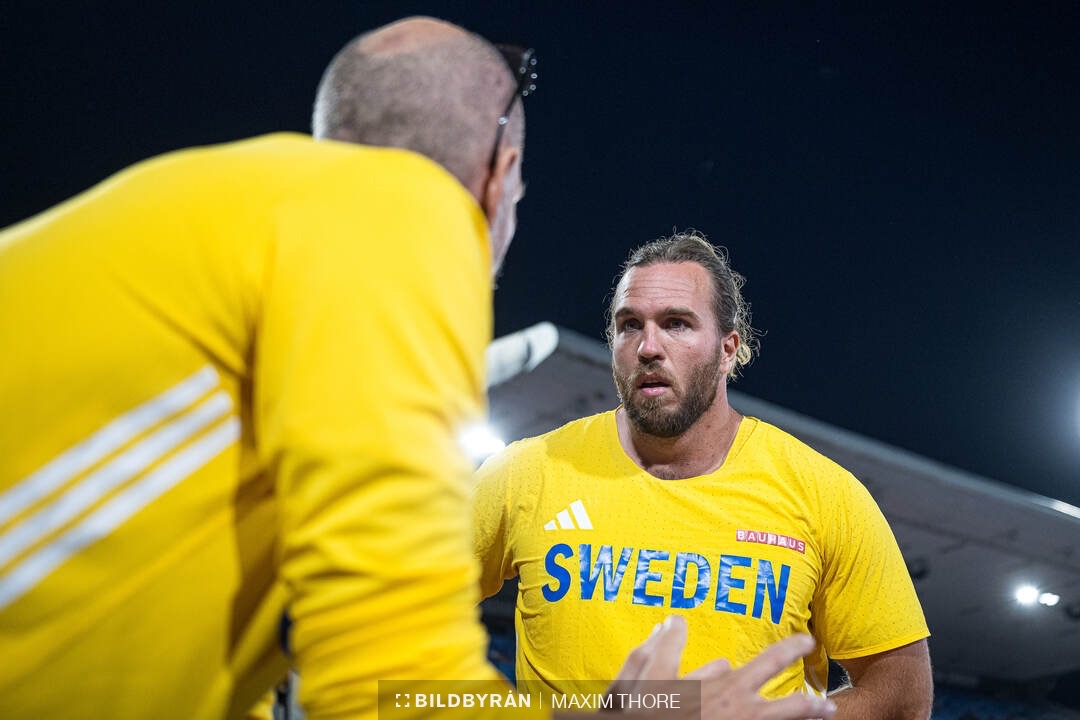
At the European Discus Conference in Tallinn in November, Staffan and Ståhl will discuss their long partnership, including the two world titles won on the final throw.
But Staffan doesn’t intend to spend the entire session explaining technical positions or strength exercises.
What interests him more is longevity.
“How do you build someone like Daniel that can last 10 or 15 years?” he says.
Developing a young athlete to world level is one challenge. Helping them remain there, stay motivated and continue enjoying the process is another.
Staffan plans to discuss what he calls “mental resilience” – not simply performing under pressure, but building an environment in which an athlete remains happy with the work, the people around them and the choices they are making.
“If he doesn’t want to throw discus, he shouldn’t do that,” he says. “You have to have an honest conversation about whether this is what you want to do.”
If the answer is yes, coach and athlete can then work out what is required to sustain that career.
The conference is part of a wider effort to create more opportunities for coaches to meet, listen and exchange ideas. Alongside events in the Coaching Summit Series, European Athletics’ High Performance Conference and its Coach Networking Project provide different ways of connecting expertise across countries and disciplines.
Staffan sees value in all of them, partly because he remembers what he was like earlier in his own career.
“I think I was a young coach, really elitist, pretty non-self-reflecting, probably arrogant,” he says. “I thought I knew everything.”
Experience gradually produced the opposite effect.
The more he learned, the more obvious it became that there would always be more he did not know.
Learning outside your event
Nor does that knowledge have to come from another discus coach.
One of Staffan's close coaching friends works in ski cross, and he sees considerable value in those conversations.
The specifics of throwing technique may not transfer, but much of high-performance coaching does.
How do you prepare somebody for an Olympic final? How do you manage an increasingly recognisable athlete? How do you build a team around someone who has become one of the faces of their sport?
Those questions exist well beyond athletics.
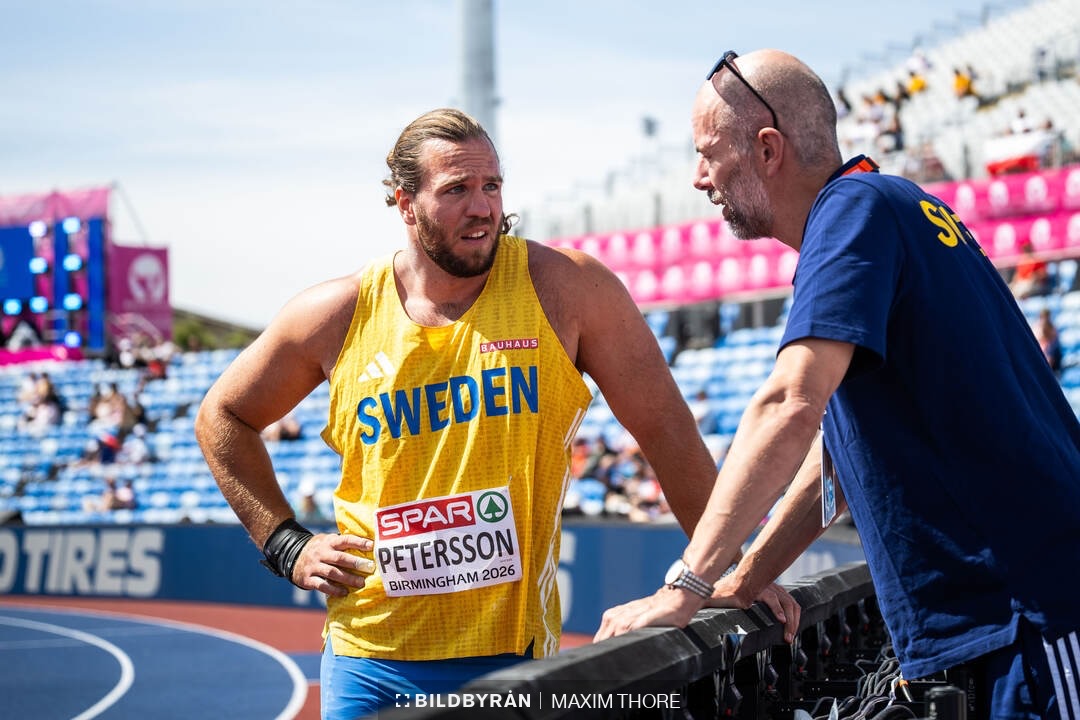
“When you coach Daniel, of course it’s coaching track and field,” Staffan says. “But it’s also a different type of coaching: how do I create a team where he feels safe?”
Talking to people from other sports can provide answers, or at least different ways of thinking about the problem.
That’s part of the argument for bringing coaches from different disciplines and Member Federations together. A long jump coach may not need advice on discus technique, but both may be dealing with athlete pressure, career transitions, team dynamics or the move from promising junior to established senior.
The technical language changes, while many of the coaching problems do not.
Mentoring without creating copies
Staffan is now taking that experience into European Athletics’ Coach Networking Project, where experienced coaches work with peers from across Europe in a more sustained setting.
He sees the arrangement as two-way.
“I’m good at a few things, but I’m not very good at a few other things pertaining to coaching, and then I can learn,” he says.
If his experience helps another coach avoid some of the mistakes he made himself, so much the better. But he has little interest in creating a group of coaches who simply copy his programme.
His own mentor taught him that.
“He never tells you the answer,” Staffan says.
Instead, he was given books to read, questions to consider and directions in which to explore. At the time it could be frustrating. Years later, he understood why.
Staffan describes it through the Socratic method – helping someone move towards an answer without supplying it for them.
“I can help guide you there, but I should never show the way,” he says. “If I do that, you won’t get the insight for your own way.”
The mistakes are part of it too.
“You have to make mistakes to be able to learn deeply,” he says.
Eventually, every coach has to build a system that makes sense from their own starting point.
“My system is developed from my vantage point,” Staffan says. “If you’re a coach, you’re coming in from different vantage points. You have to start there.”
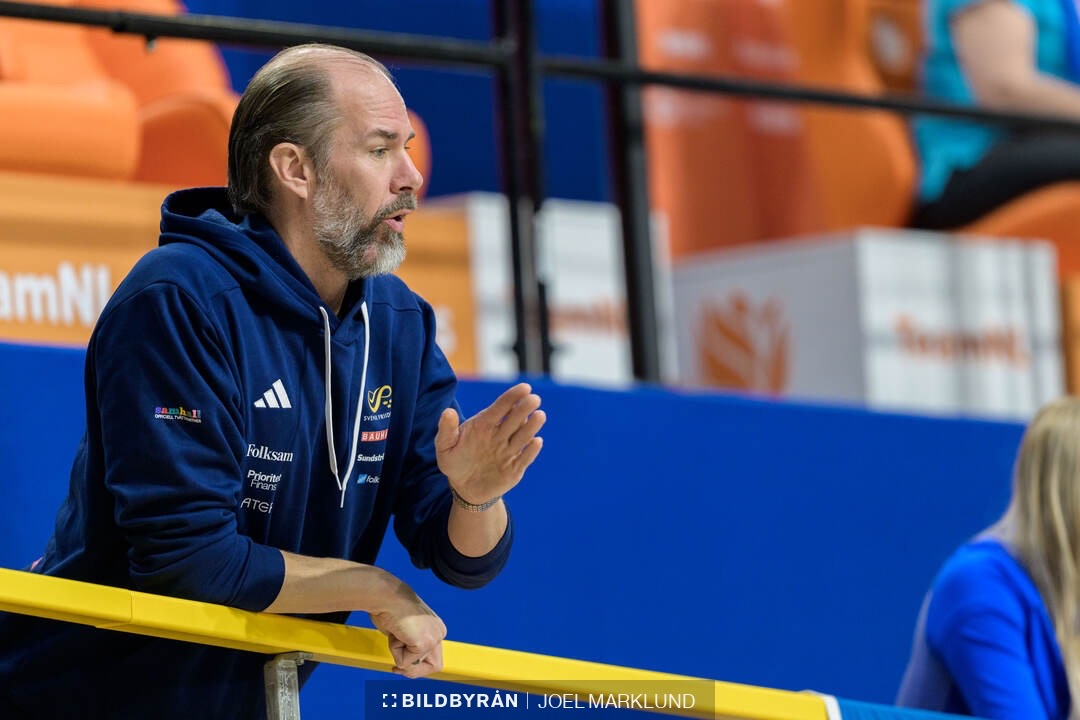
Making the connections easier
For European coaching, Staffan thinks there’s still room to make those exchanges easier.
Sometimes the opportunity already exists but coaches just don’t know about it. He recalls discovering that somebody he knew was giving a lecture at an event only by chance.
“I want to know that, so then I have a choice if I want to go or not,” he says.
Good conferences are worth supporting, he argues, particularly when they bring significant numbers of coaches into the same room. And networking becomes more valuable when it reaches beyond familiar regional groups.
The European Athletics project has connected Staffan with coaches from countries including Spain, Romania and Norway.
“That’s cool,” he says.
It is a modest description of something he believes has been central to his own development.
Staffan has spent around 25 years asking questions of people who knew things he didn’t. Now he’s one of the experienced coaches others come to with those questions.
His advice to them is to find knowledgeable people, find generous people – and make sure they’re still there on the days when the result is sixth rather than first.
That, as much as any training programme, is how coaching knowledge gets passed on.