



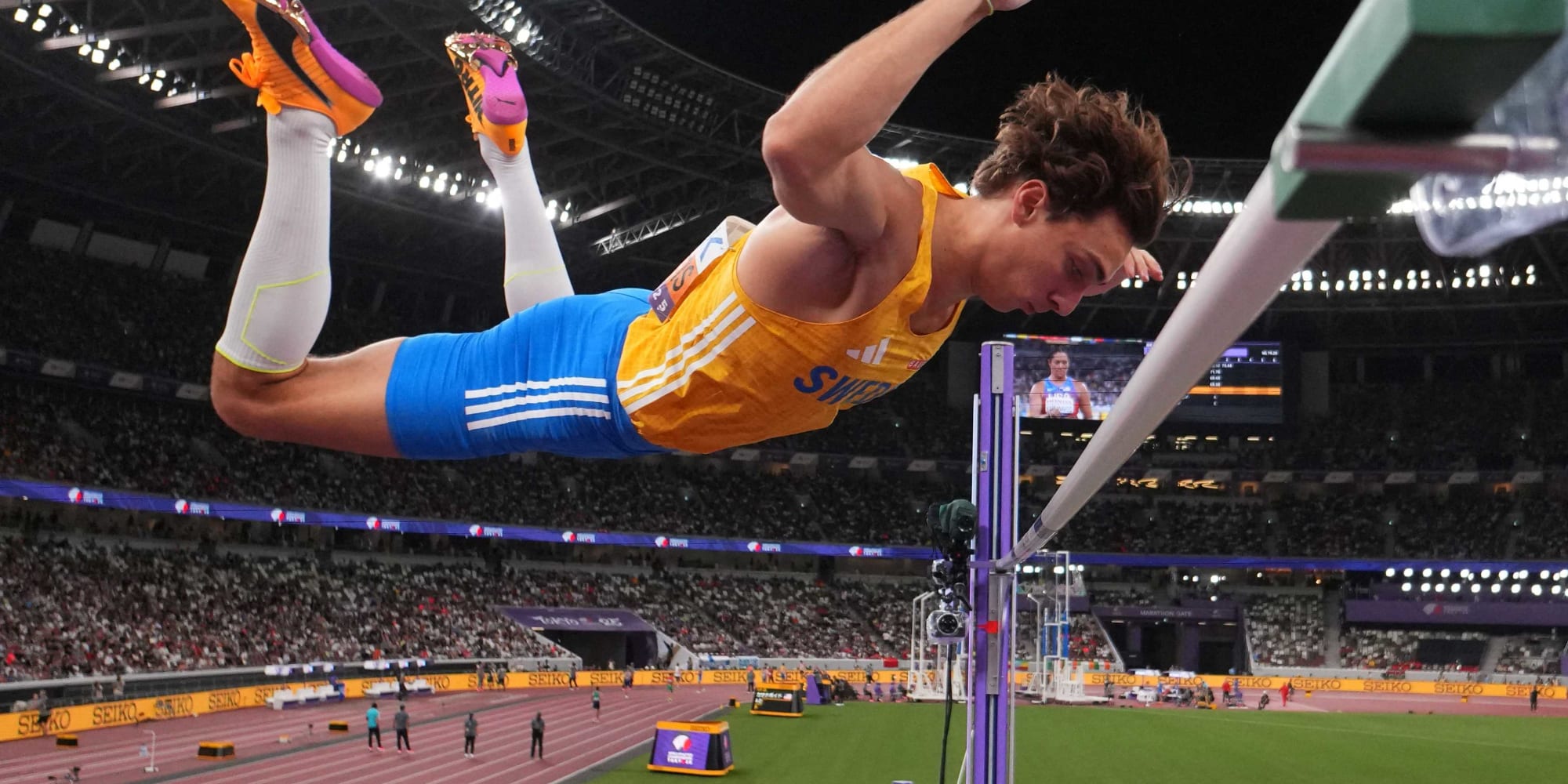
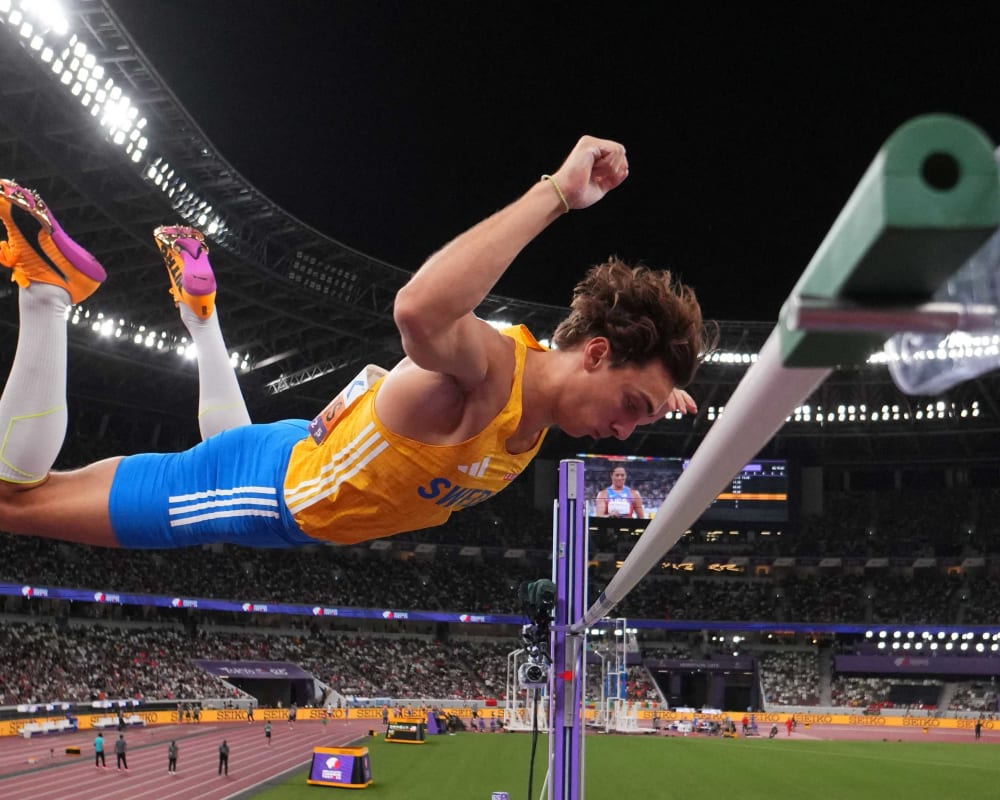

Following his 15th world record last week (12 March), and on the eve of the World Athletics Indoor Championships in Kujawy Pomorze (20–22 March), the question naturally arises: how much higher can Mondo Duplantis take the men’s pole vault record beyond 6.31m?
According to Herbert Czingon — former Head of Field Events and National Pole Vault coach in both Germany and Switzerland — the Swedish superstar may still have plenty more to give.
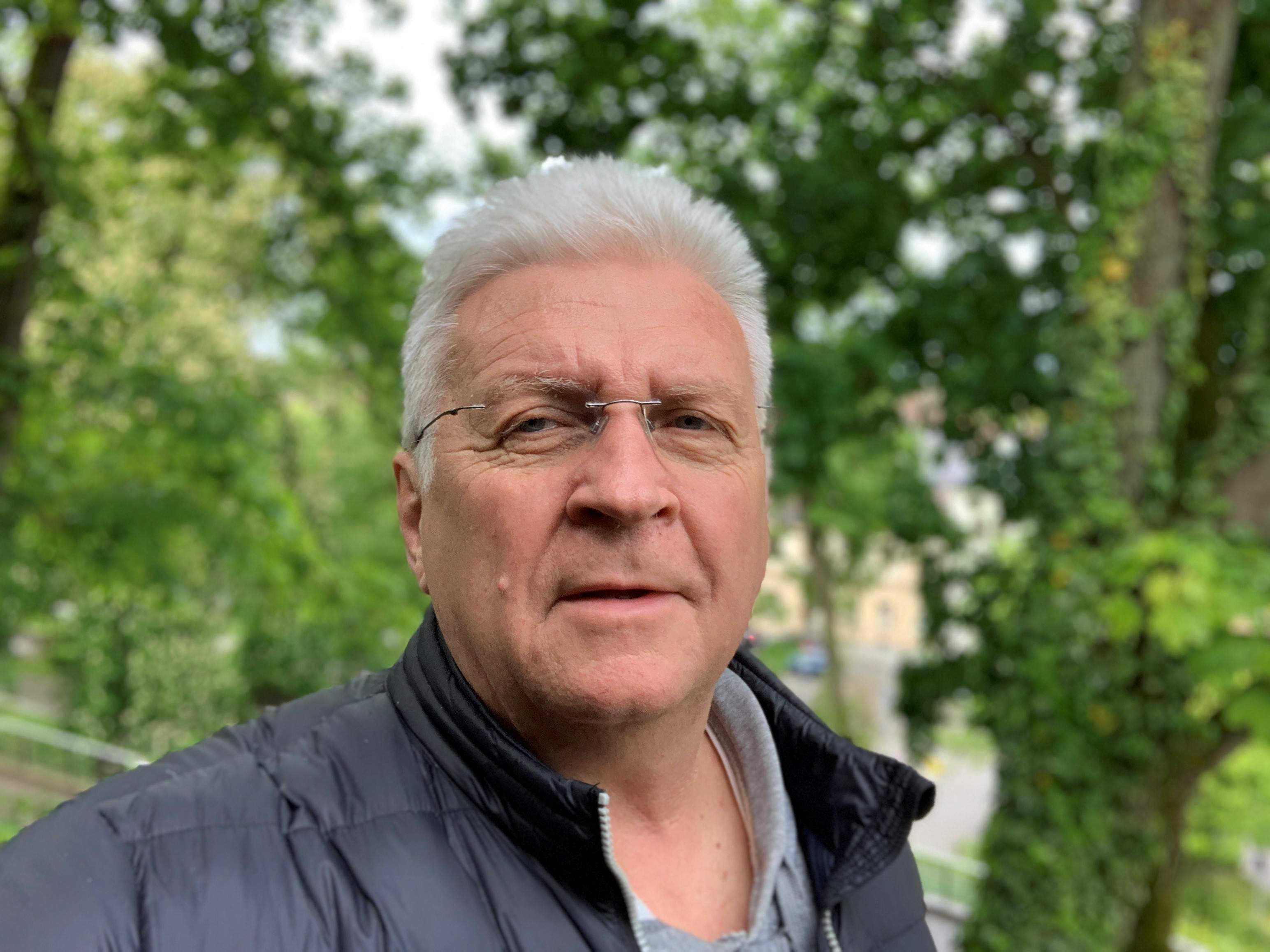
“Based on his speed, he could jump even 10-15 cm higher,” said the world respected coach Czingon, who has taken part in both the European Athletics High Performance Webinar Series and the European Athletics Coaching Summit Series.
“But there is difference between biomechanical formulas and reality,” he adds cautiously. “Biological systems do not develop as linear. His 6.30m and 6.31m jumps led to a wiggling crossbar.”
Speed key to Mondo's success
Czingon identifies three elements as critical to Duplantis’ extraordinary success.
“Firstly, the most important biomechanical factor for Mondo Duplantis' superior performance is his outstanding approach speed,” he says.
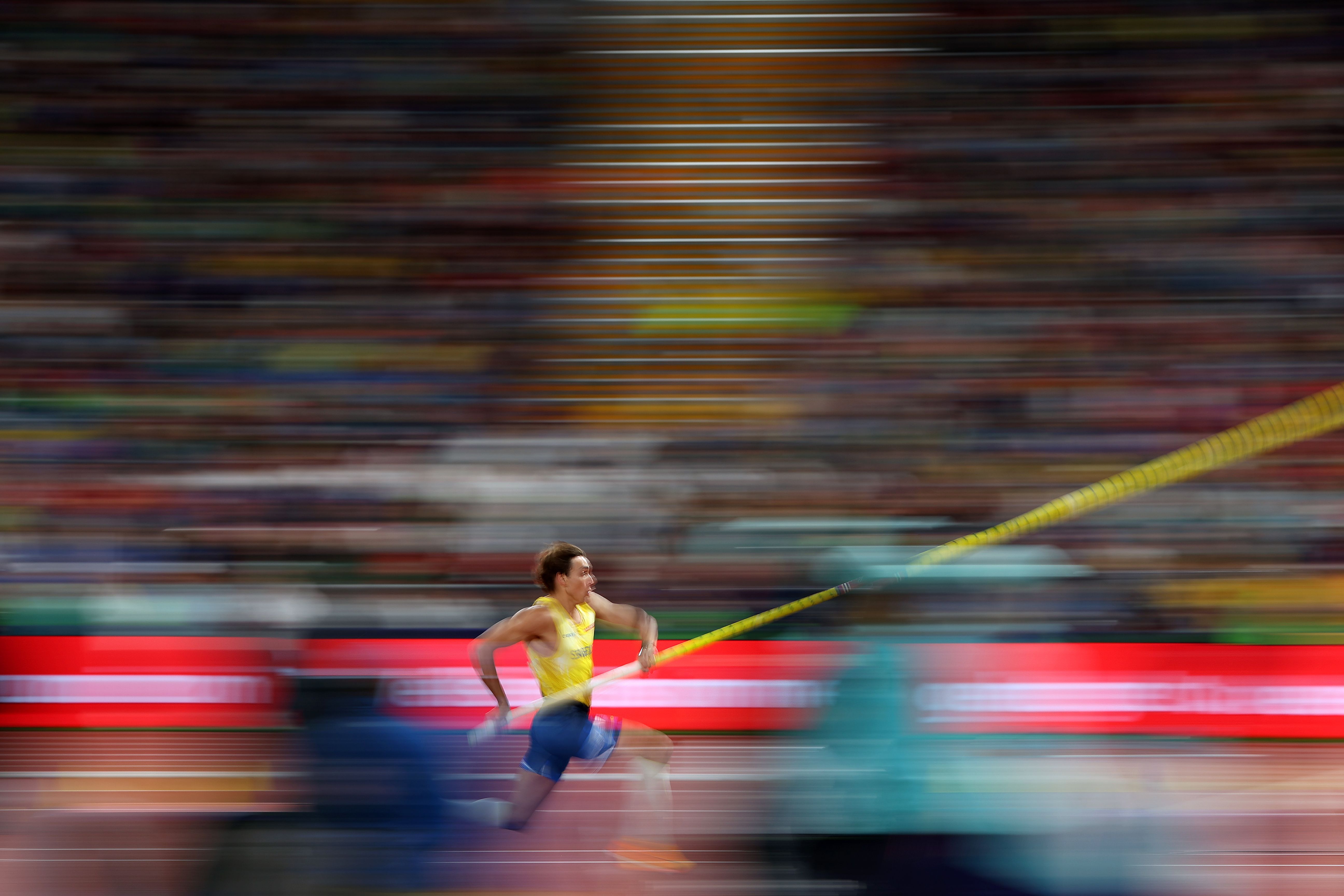
“Simplified, pole vaulting is an energy-transformation process. The "kinetic energy“ (the speed of the centre of mass of the athlete created in the approach) is transformed into “potential energy“ (the height of the centre of mass of the athlete) at the highest point of the jump.
“Mondo created a very individual technique to achieve this goal - a unique pole planting and take-off style - rather low grip, very short final step into the take-off - allows him to take advantage of his speed.”
Czingon also highlights Duplantis’ upbringing as another key factor. Raised in Louisiana in a deeply athletic family, Duplantis was immersed in the sport from an early age. His father Greg Duplantis was a 5.80m pole vaulter, while his mother Helena represented Sweden internationally as a heptathlete.
“Due to the very early start of his career, Mondo has practiced several thousand jumps more than any other athlete of his class, being mostly coached by his father and his mother,” says Czingon. “Together with his older brothers, pole vaulting, among other sports, was a family affair.”
But Czingon also points to Duplantis’ competitive mentality as the third pillar of his dominance.
“At any age, Mondo never accepted to be defeated by others in any competition.”
The rise of Karalis
In recent years, Greece’s Emmanouil Karalis has emerged as the athlete most capable of challenging Duplantis. After clearing 6.17m at the Greek Indoor Championships last month, the world silver medallist has become the second-highest vaulter in history.
Should Duplantis falter at the World Athletics Indoor Championships, Karalis would appear the most likely beneficiary.
“Emmanouil Karalis was a huge talent in his junior years and at the age of 19 he had already achieved 5.80m but had some problems in the following years due to a few injury problems,” observes Czingon.
“After starting to cooperate with Marcin SzczepańskI, (three-time world medallist) Piotr Lisek’s coach, he stabilised and improved.
“He is one of the fastest in the group of Mondo’s opponents and a very complete overall athlete, jumping a mainstream technique. He had a narrow miss on 6.15m last year in Tokyo, so we could already see his potential then.”
Courage and reliability
While praising the athletic qualities of both men, Czingon believes psychology remains one of the defining factors in pole vaulting — particularly on the championship stage.
“Having a strong belief in his possibilities is the most important asset of a pole vaulter,” he says.
“Because of the strong demands in the courage and the reliability of an athlete, choosing the right pole, the right grip and the right heights to jump is not always easy.
“Mondo’s father Greg, using the experience of his own career and the deep understanding of Mondo’s psyche, has been an extremely important factor here.
“Many ambitious athletes are risking too much, using poles too stiff and grip too high, but are failing on the important heights. This is the opposite of Mondo’s strategy.”
And if Czingon’s assessment is correct, the 6.31m world record may not represent the limit of what Duplantis can achieve — merely the next step in redefining what is possible in the pole vault.
Herbert Czingon is Lead Editor and Lecturer of World Athletics’ Coaches Education and Certification System (CECS). He worked for the German Athletics Federation in multiple national coach positions from October 1978 until October 2012, developing many world class male and female athletes. From November 2012 until September 2020, he was Head Coach in Switzerland for technical disciplines, including working with European pole vault champion Angelica Moser.