




The European Throwing Cup is an annual competition that first took place in Nice, France, in 2001.
The event includes competitions in all the throwing disciplines – namely shot put, discus, hammer and javelin – for men and women. Since the 2007 edition in Yalta, Ukraine, it has also included competitions for U23 athletes.
This year’s event is the 25th edition and will take place on 14–15 March in the Cypriot capital of Nicosia for the second successive year.
How it works
There are sixteen competitions in total. Four senior men’s, four senior women’s, four U23 men’s and four U23 women’s competitions will take place in the shot put, discus, hammer and javelin events respectively.
Each European Athletics Member Federation can have up to two athletes participating in the senior events and one in the U23 events, meaning a maximum of 24 athletes from one nation.
Depending on the number of entries in each event, there may be A and B pools of competitors. Athletes in the B pool can still win overall, but athletes with stronger season’s bests and personal bests will be grouped together in the A pool.
Unlike major championships, every participating athlete will be able to take their full quota of six throws.
There is also a team competition, with each team’s score determined according to the best performance of its highest-finishing athlete in each event.
The team’s overall score will be an aggregate of points attributed to those performances according to the International Scoring Tables. The team achieving the highest number of points will be the winner.
Any team finishing without a scoring athlete in all four events will not be included in the team classification.
Big names
Previous winners at the European Throwing Cup include some of the sport’s greatest ever names.
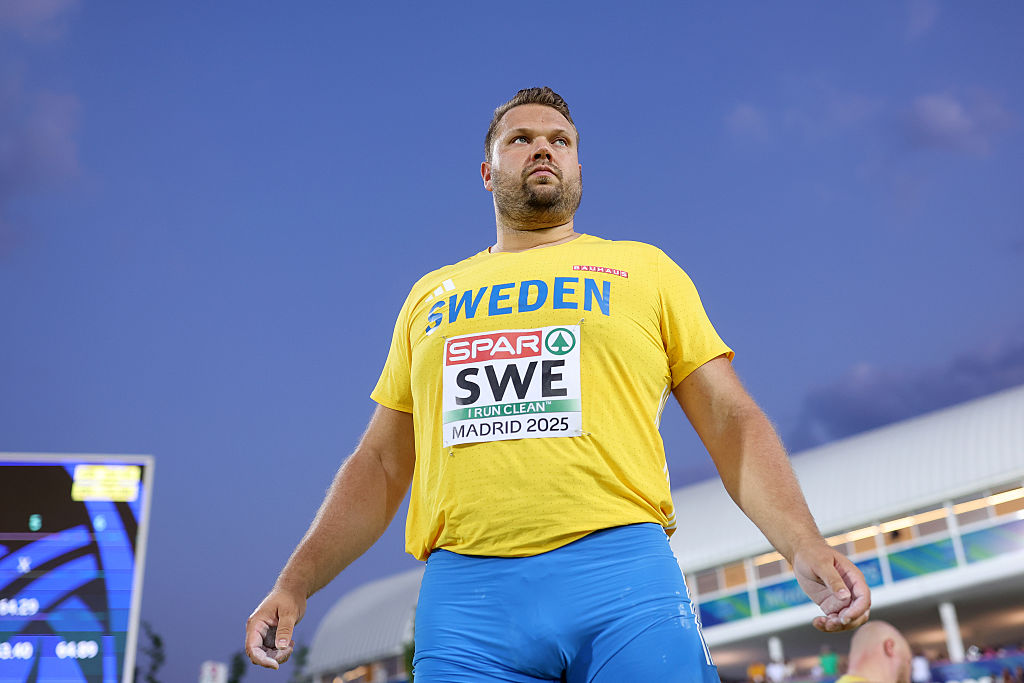
Among the former men’s champions are Estonia’s Olympic and world gold medallist Gerd Kanter (men’s discus winner in 2003, 2004, 2005, 2007, 2008 and 2009), Sweden’s Olympic and three-time world gold medallist Daniel Ståhl (men’s discus winner 2018) and Poland’s five-time world champion Paweł Fajdek (men’s hammer winner 2018).
Previous women’s winners include Poland’s triple Olympic champion and four-time world champion Anita Włodarczyk (women’s hammer winner 2008 and 2009) and the Netherlands’ world and European champion Jessica Schilder (women’s shot put winner 2024).
Nicosia 2025 brings together another strong field, blending Olympic-level experience with rising European talent.
At the top of the lineup are four Olympic medallists, including Hungarian hammer thrower Bence Halász and Ukraine’s Mykhaylo Kokhan. The duo won silver and bronze respectively in the men’s hammer at the Paris 2024 Olympic Games.
France’s Mélina Robert-Michon, one of the most enduring figures in women’s discus, adds further pedigree as a former Olympic and world silver medallist as well as winning the European Throwing Cup gold in her specialist event on three occasions in 2014, 2016 and 2017.
Legendary hammer thrower Yipsi Moreno won Olympic gold and silver and three world titles in the women’s hammer while competing for Cuba. She now represents Albania and adds her distinguished presence to the start lists.
Current European women’s hammer champion Sara Fantini of Italy and 2022 European women’s javelin champion Elina Tzengko of Greece are also in the line-up. So too are twice European javelin silver medallist Adriana Vilagoš of Serbia and former European indoor champion Konrad Bukowiecki of Poland in the shot put.
Alongside these established names, the competition also showcases the next generation of European throwers. Among the current European U23 medallists are Cyprus hammer thrower Iosif Kesidis, the Bergen 2025 champion, his compatriot Valentina Savva, who won bronze last year, and Germany’s Helena Kopp, the reigning bronze medallist in the women’s shot put.
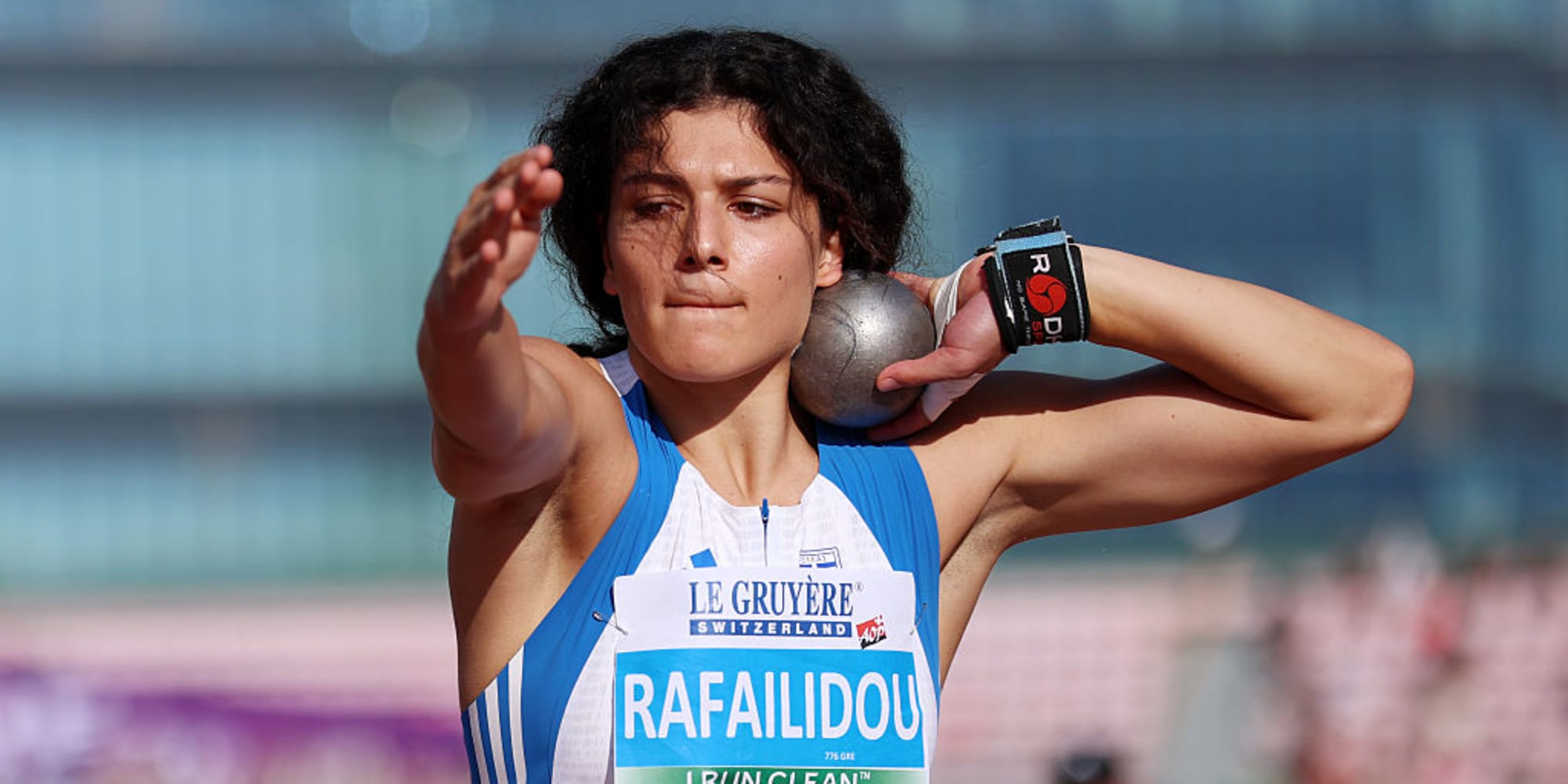
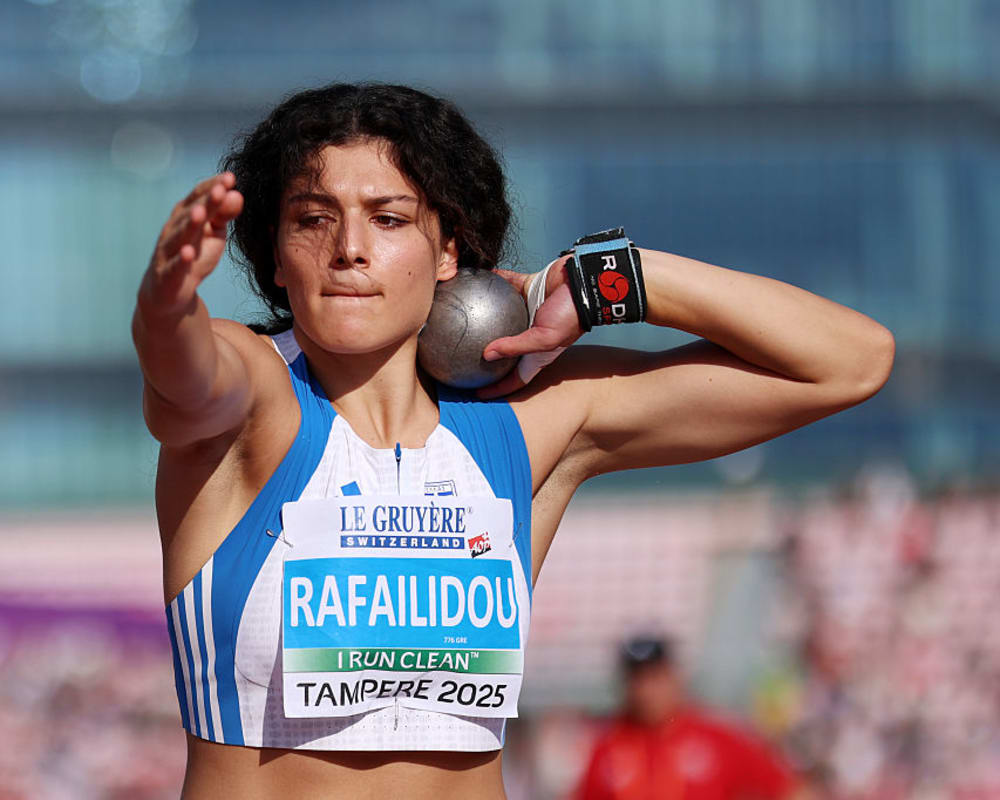
The emerging U20 ranks are represented by several recent medallists from the Tampere 2025 European Athletics U20 Championships, including Hungary’s Ármin Szabados (men’s hammer gold), Greece’s Maria Rafailidou (women’s shot put gold), Ukraine’s Anhelina Shepel (women’s shot put silver) and Spain’s Rafael Mahiques (men’s javelin gold).
Big performances
The throws-only, early-season nature of the event has also provided an environment for athletes to thrive. The European Throwing Cup has witnessed some monumental performances, particularly in the javelin.
In Split 2021, Poland’s Maria Andrejczyk produced an incredible effort of 71.40m, a throw that remains third on the world all-time list for the women’s javelin. Germany’s Johannes Vetter unleashed a monstrous throw of 92.70m to win the men’s competition in Leiria in 2018.
Last year’s event in Nicosia also saw three world leads set courtesy of Serbia's Adriana Vilagoš with 66.88m in the women’s javelin, Finland's Silja Kosonen with 77.07m in the women’s hammer and Sweden's Vanessa Kamga with 63.25m in the women’s discus.
History maker
Mélina Robert-Michon won bronze at the first edition in Nice in 2001 and will again compete in the women’s discus. The 46-year-old French athlete will be taking part in her 22nd European Throwing Cup, having only missed the Arles 2010, Leiria 2018 and Split 2021 events.
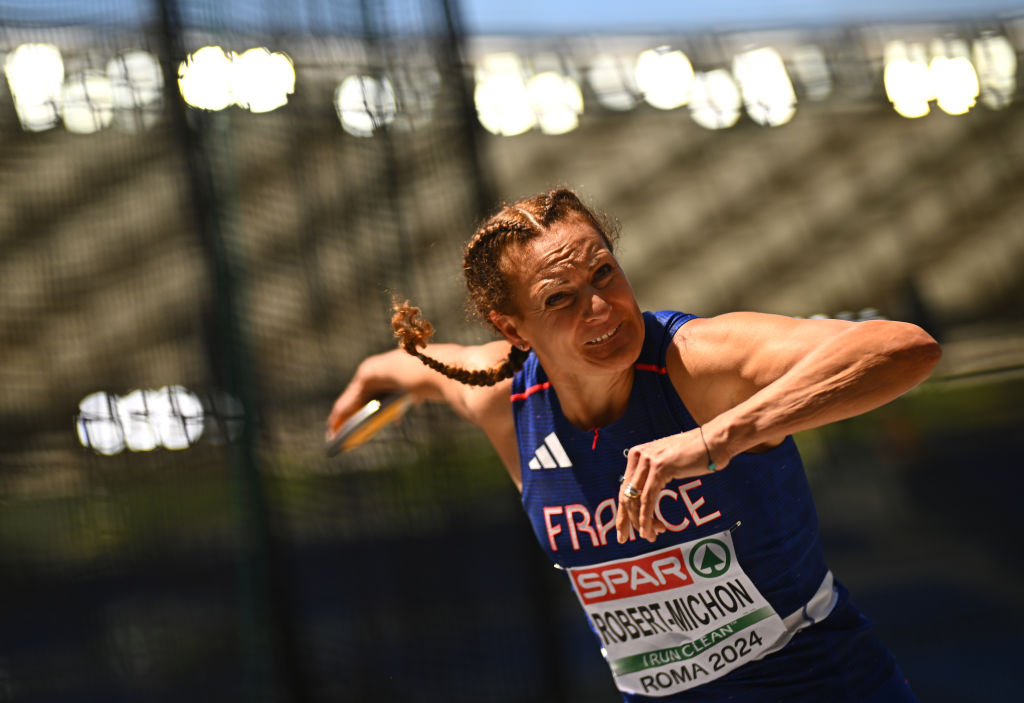
She has stood on the podium an incredible 12 times, including taking gold in Leiria 2014, Arad 2016 and Las Palmas 2017. Her most recent medal was bronze in Leiria 2024.
The bigger picture
This year is a European Athletics Championships year and, with Birmingham 2026 on the horizon, throwers will be particularly keen to make an early-season impression – both against rivals in Nicosia and those competing elsewhere.
The Road to Birmingham qualifying system is already under way and the events in Nicosia are sure to change the picture significantly in the throws events leading up to the continent’s showpiece event on 10–16 August.
How to watch
The Nicosia 2026 European Throwing Cup can be viewed live on the European Athletics website, starting at 09:00 CET.
Useful links
Final entries
2025 results
Timetable