



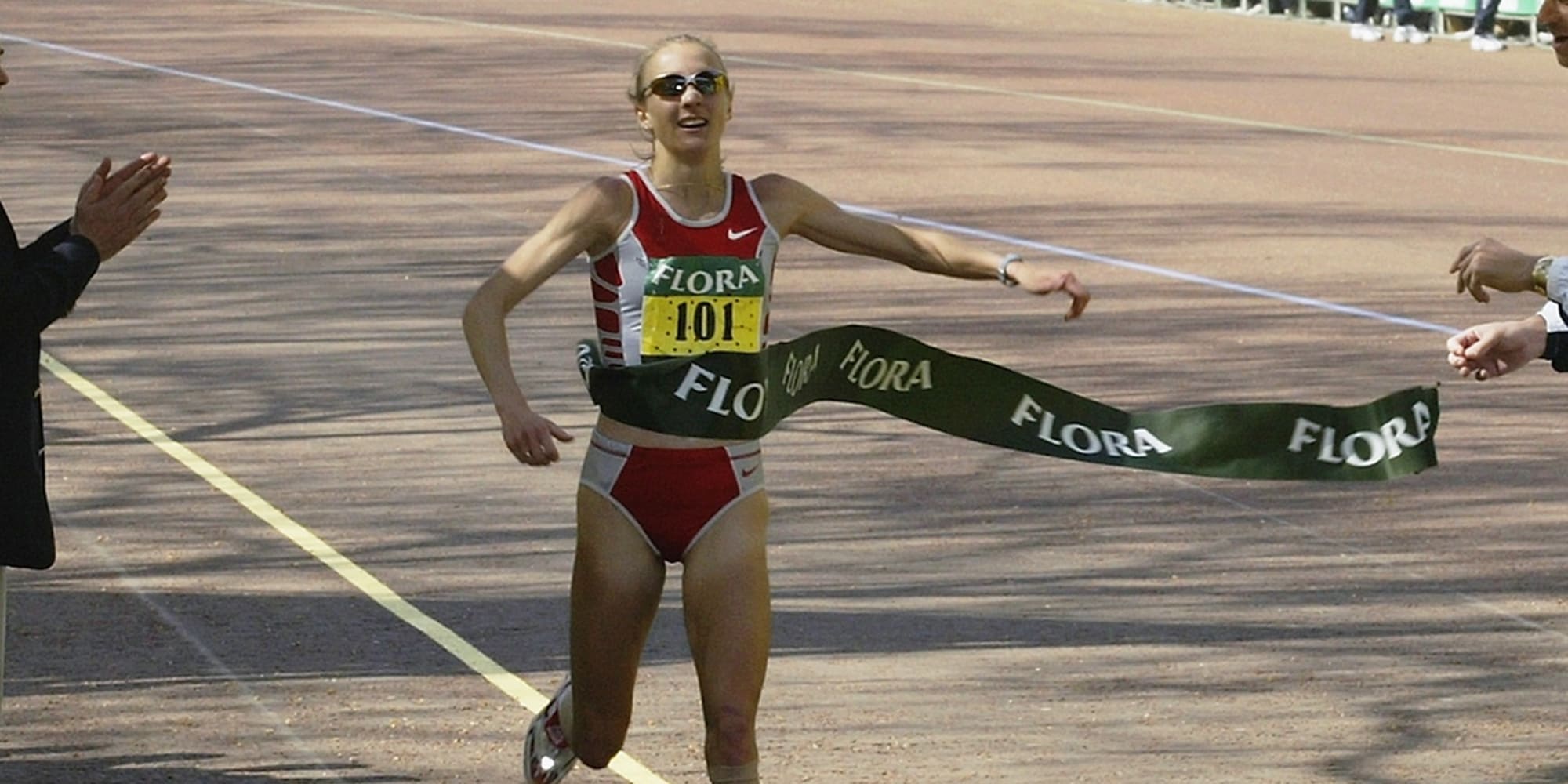


Andreas Almgren is about to enter unknown territory.
On Sunday 1 November, the Swede will stand on the start line of the New York City Marathon and race 42.195km for the first time.
Few European athletes have ever approached a marathon debut with credentials quite like his.
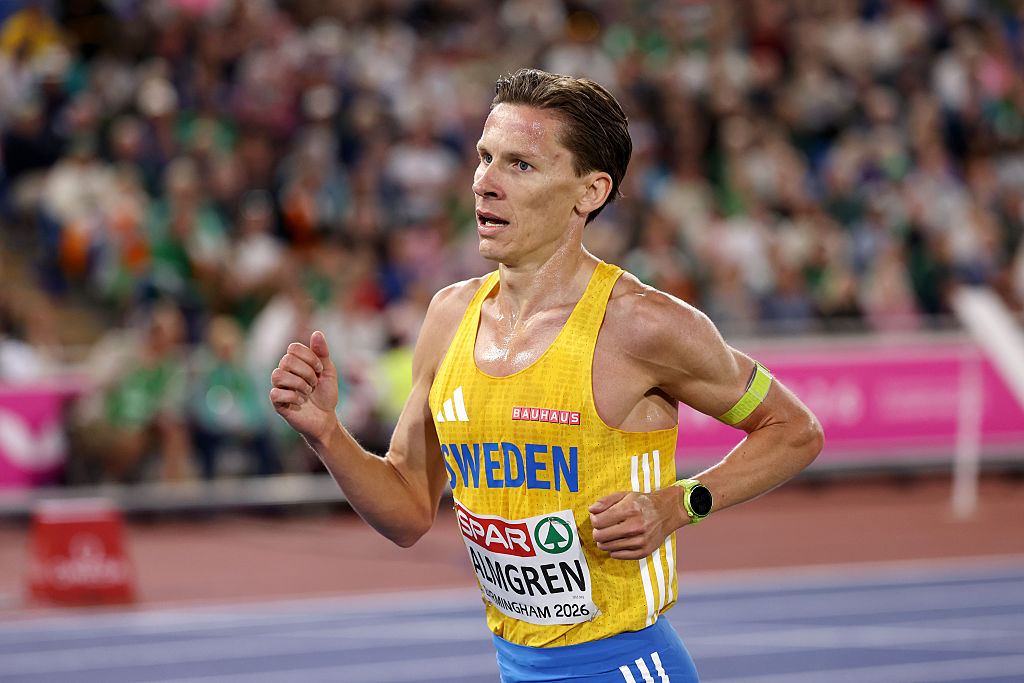
In August, Almgren produced a devastating performance to win the European 10,000m title in Birmingham in 27:23.44, breaking a championship record which had stood since 1978.
Five weeks later, he stepped onto the roads at the World Athletics Road Running Championships in Copenhagen and became world half marathon champion, surging clear in the closing stages to win in 58:06 – smashing his own European record by 35 seconds.
Now comes the marathon.
And Almgren is following one of the great traditions of European distance running: outstanding track athletes stepping into the unknown over 42.195km.
“I have gone from 400m to half marathons,” Almgren reflected after his victory in Copenhagen. “Ten years ago, we joked that maybe one day I would run a 5km race. Now I am world champion in the half marathon and I am going to have my marathon debut in New York.”
From Emil Zátopek attempting his first marathon at the 1952 Olympic Games to Sifan Hassan's extraordinary victory on her marathon debut in London in 2023, some of Europe's greatest distance runners have discovered that moving up to the marathon can redefine a career.
Before Almgren takes his first steps into marathon territory in New York, we look back at 10 marathon performances that changed European athletics.
- Emil Zátopek (CZE) – Helsinki 1952 Olympic Games
The greatest marathon debut of them all?
Zátopek had already won the Olympic 5000m and 10,000m titles in Helsinki when he decided to contest the marathon – a distance he had never previously raced.
He won in 2:23:03 to complete an unprecedented Olympic distance treble. More than seven decades later, nobody has repeated it.
- Alain Mimoun (FRA) – Melbourne 1956 Olympic Games
For years, Mimoun had lived in Zátopek's considerable shadow, winning Olympic silver medals behind the Czech great on the track.
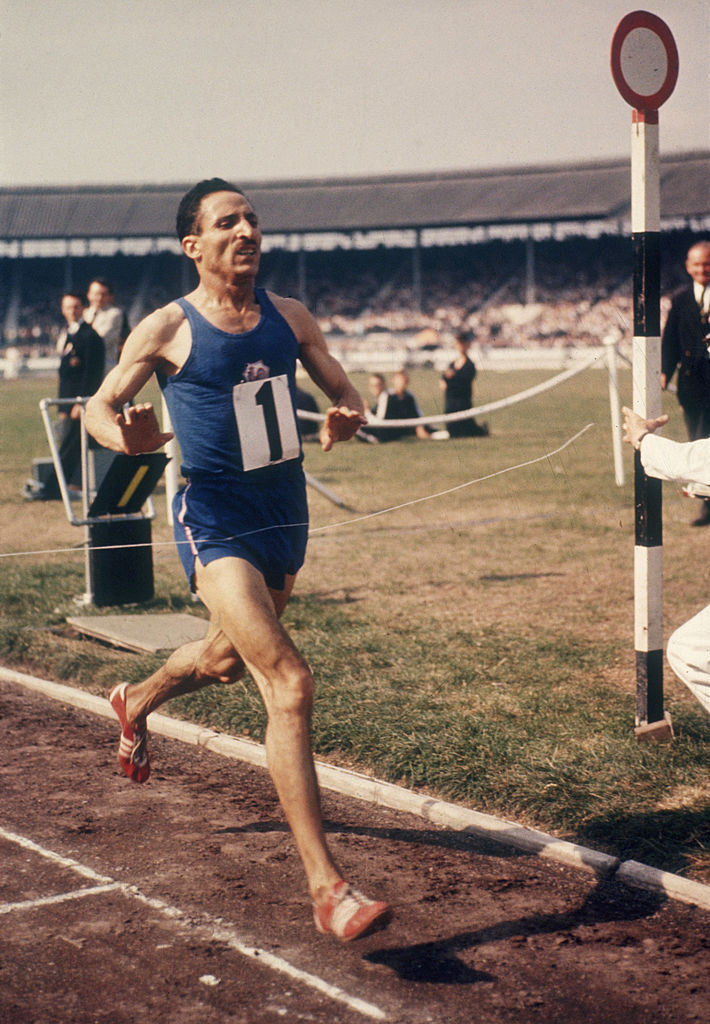
At 35, he moved up to the marathon in Melbourne. This time there was no Zátopek ahead of him. Mimoun won Olympic gold in 2:25:00, with his great friend and rival finishing sixth.
- Rosa Mota (POR) – Athens 1982 European Athletics Championships
A landmark not only for European athletics, but for women's distance running. The inaugural women's marathon at the European Athletics Championships was staged on the historic route from Marathon to Athens.
It was also Mota's marathon debut.
The Portuguese athlete won in 2:36:03 and would go on to dominate the event, successfully defending her European title in 1986 and 1990 and winning Olympic gold in 1988.
- Carlos Lopes (POR) – Rotterdam 1985
Already the reigning Olympic champion, Lopes travelled to Rotterdam and took men's marathon running somewhere it had never been before.
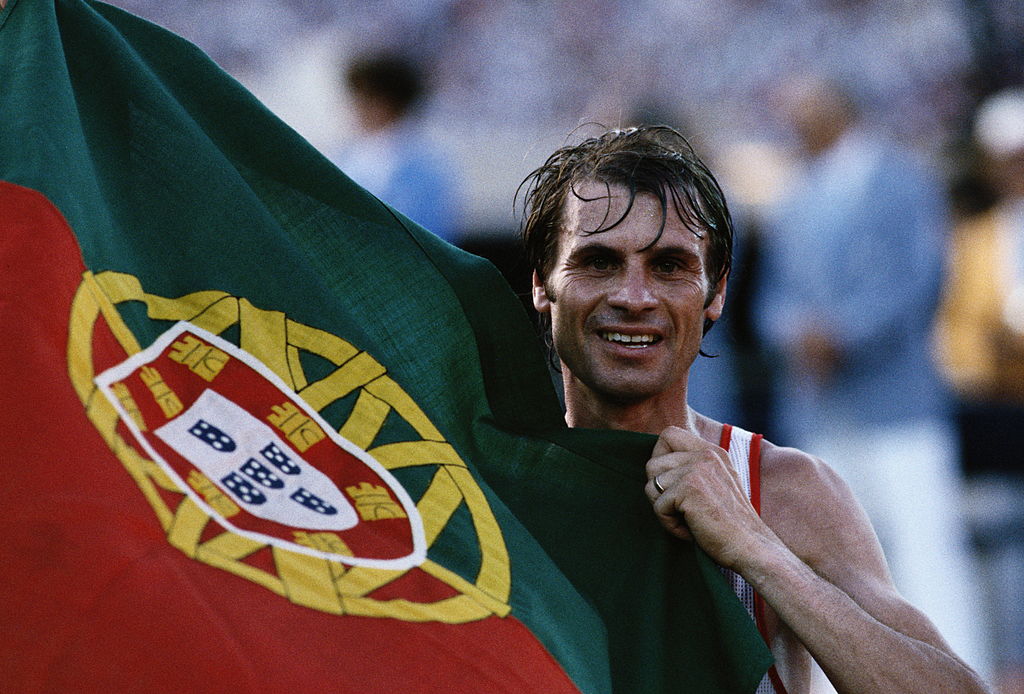
His 2:07:12 world record made him the first man to break 2:08. Even more remarkably, Lopes was 38.
- Ingrid Kristiansen (NOR) – London 1985
Women's marathon running was developing at extraordinary speed during the 1980s and Kristiansen was one of the athletes driving that revolution.
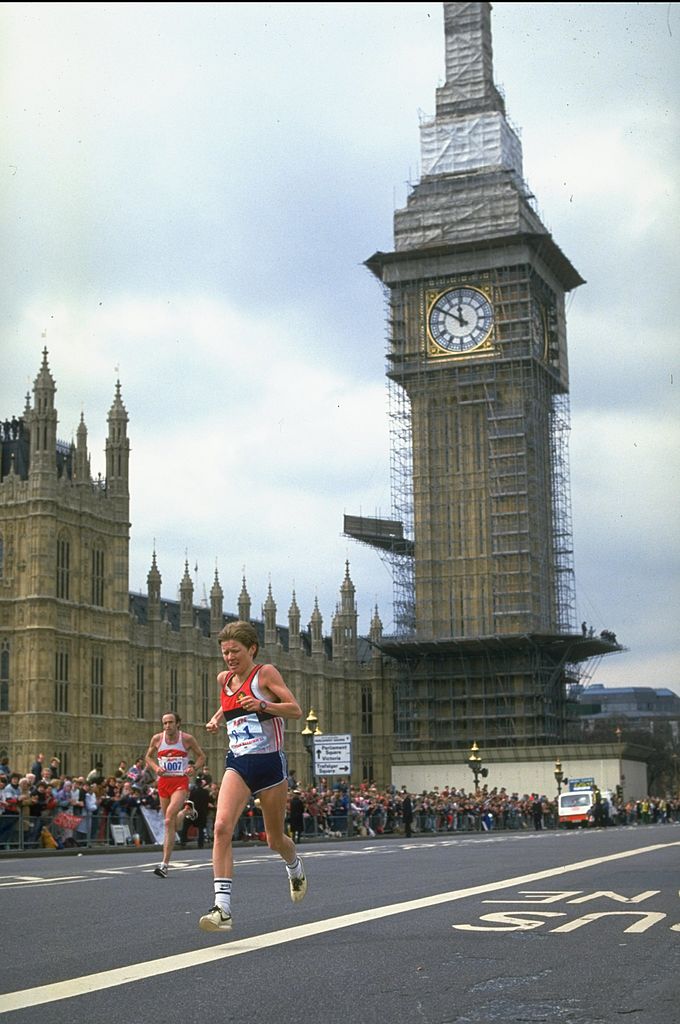
Her 2:21:06 world record in London - just one day after Lopes' record breaking run in Rotterdam - moved the women's event into another realm and established the Norwegian as one of the defining distance runners of her generation.
- Gelindo Bordin (ITA) – Seoul 1988 Olympic Games
Europe's remarkable marathon era continued in Seoul.
The reigning European champion timed his challenge superbly, making his decisive move in the closing kilometres to become Italy's first Olympic marathon champion.
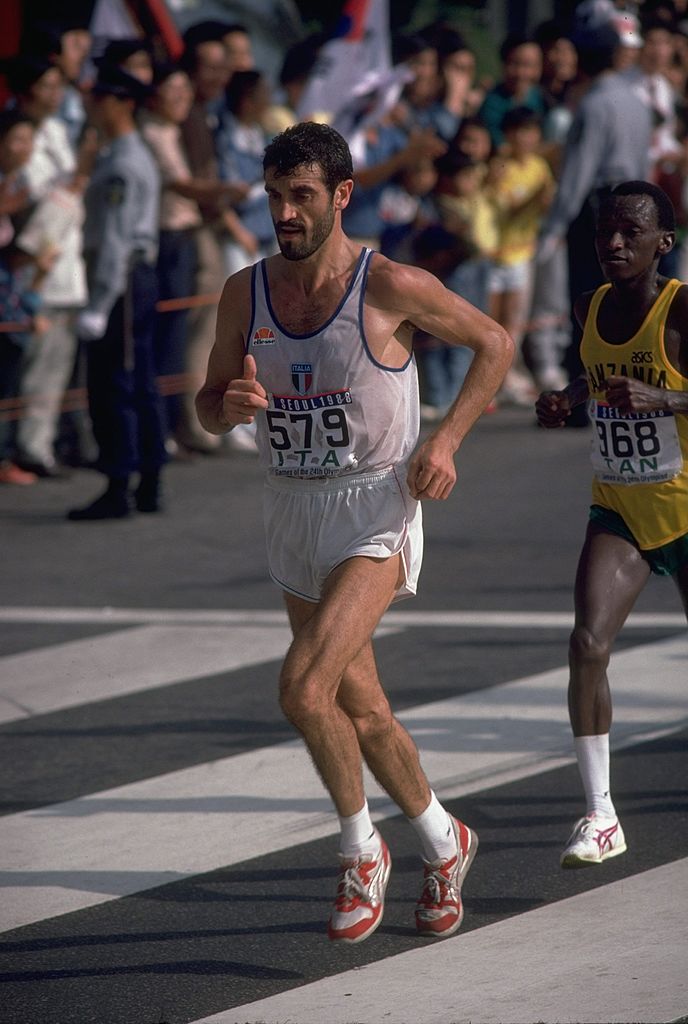
Lopes, Mota and Bordin meant European athletes won three of the four men's and women's Olympic marathon titles across Los Angeles 1984 and Seoul 1988.
- Paula Radcliffe (GBR) – Chicago 2002
Radcliffe had spent much of her track career pushing the pace from the front.
When she turned seriously to the marathon, she did exactly the same.
In only her second marathon, Radcliffe ran 2:17:18 in Chicago, breaking the world record and dramatically changing perceptions of how fast a woman could run 42.195km.
But she wasn't finished.
- Paula Radcliffe (GBR) – London 2003
Six months later came the masterpiece.
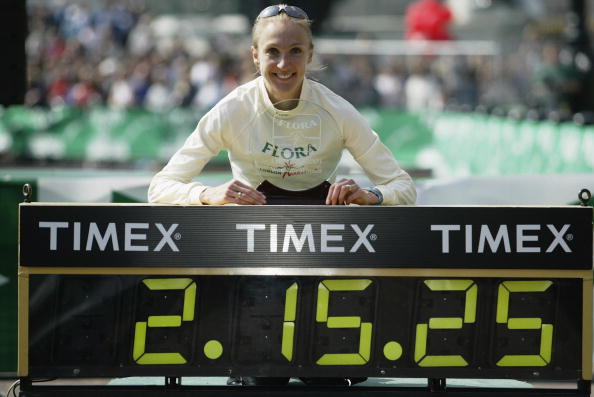
In front of an expectant home crowd, Radcliffe attacked from the outset in London and stopped the clock at an astonishing 2:15:25, taking almost another two minutes from her world record.
The mark would survive for 16 years and became one of the most recognisable numbers in distance running.
- Sifan Hassan (NED) – London 2023
If Almgren needs reminding that marathon debuts don't always go according to plan, he could watch Hassan's first attempt.
The Dutchwoman stopped to stretch, lost contact with the leaders and appeared to be out of contention.
Then she came back. Hassan caught the lead group and, after 42 kilometres of drama, still possessed enough speed to outsprint her rivals on The Mall and win in 2:18:33.
It was one of the most extraordinary marathon debuts the event has seen.
- Sifan Hassan (NED) – Paris 2024 Olympic Games
Seventy-two years after Zátopek attempted an audacious Olympic distance treble, another European great decided to test the limits.
Hassan raced the 5000m, 10,000m and marathon in Paris, winning bronze medals on the track before lining up for the marathon just 37 hours after the 10,000m final.
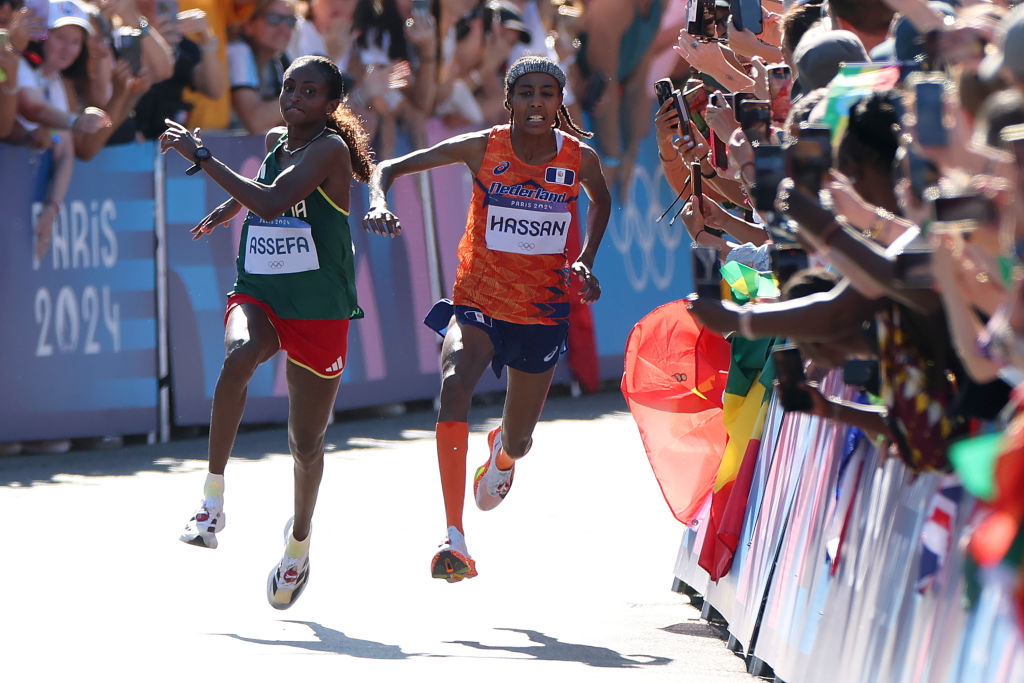
She then defeated Ethiopia's Tigst Assefa in a dramatic sprint finish to win Olympic gold in 2:22:55.
Zátopek and Hassan's achievements were separated by more than seven decades, but the audacity of their ambitions was identical.
800m runner to marathon contender
And that brings the story back to Almgren.
A decade ago, the Swede was an 800m runner who admits he had no intention of becoming a distance specialist.
Now he is European 10,000m champion, world half marathon champion and the European half marathon record-holder. On 1 November in New York, there is one final step up distance left for him to take.
European marathon history is full of athletes who found something extraordinary when they stepped into the unknown.
What will Andreas Almgren find in New York?